
Frequently Asked Questions
We understand that you may have many beauty questions before starting any of our treatments, which is why we have compiled the following list of FAQs. If you need to know more, don’t hesitate to get in contact.
IPL / Laser Hair Removal
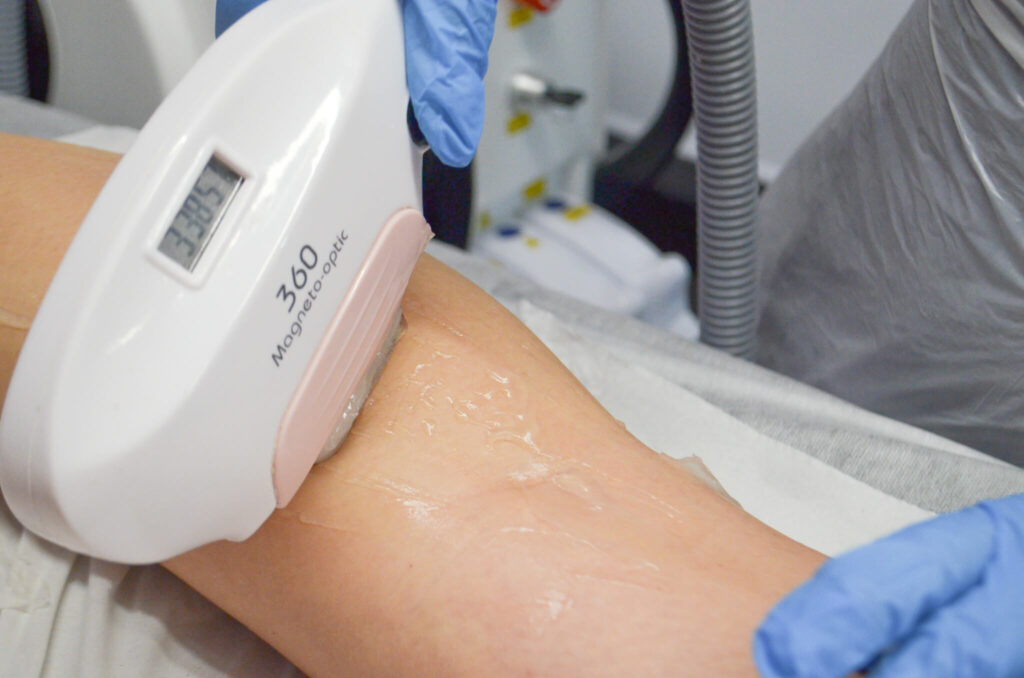
Everyone is different, and it cannot be guaranteed how many sessions you will need. Most clients usually require a minimum of 8 to start seeing results, with some requiring up to 12 sessions for best results, spaced 4 to 6 weeks apart, as hair grows in cycles.
You may feel a mild snapping sensation, but most clients find the whole experience very tolerable.
No – only shaving is recommended between treatments so the hair follicle remains intact.
Dark hair responds best. Very light, grey, or red hair may not absorb enough laser energy. IPL is most effective for those with darker hair and lighter skin, as the contrast helps the light target the melanin in the hair follicle more effectively.
Permanent hair reduction is achievable. On average 85-90% hair reduction is achieved. With each successive treatment, you will notice a difference in hair density. Following an initial treatment, some hairs may appear over time so top-up sessions may be required (usually once or twice a year).
No preparation is required prior to a test patch. However, we require you to shave the area the day before your treatment (no more than 2mm of hair is visible above the skin).
Timings depend on the size of the target area. Some sessions last only a few minutes, while the lower legs can take up to an hour. As a general rule, underarms and bikini line take 15 and 30 minutes respectively. However, your appointment will take longer for a thorough assessment.
Tattoo Removal
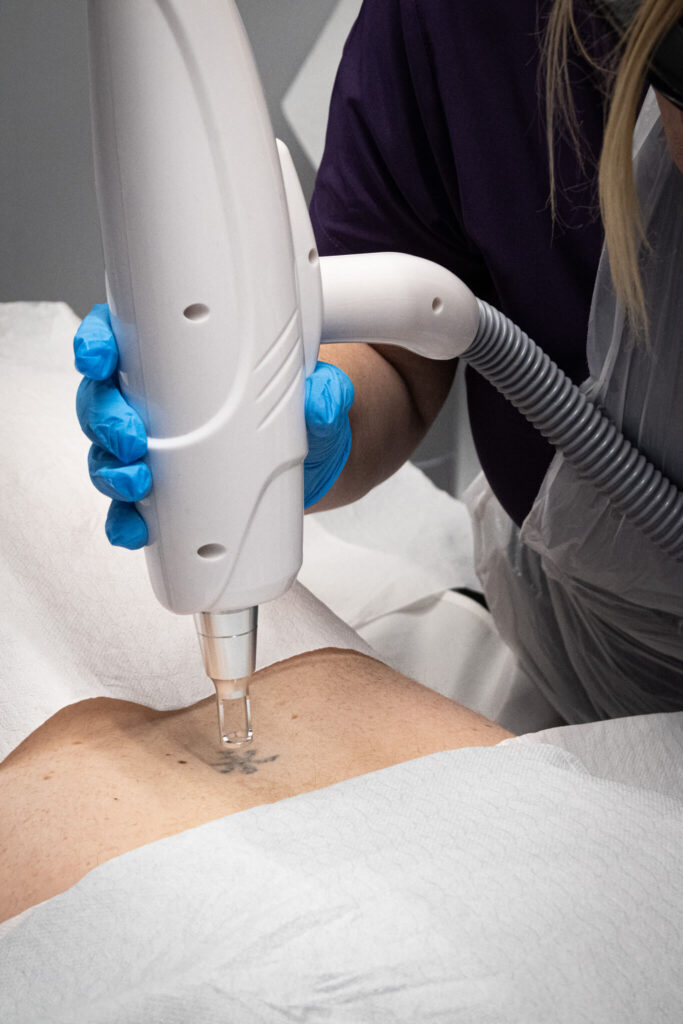
Most tattoos fade significantly or disappear entirely, but results depend on ink colours, depth and your particular skin type. The success of the removal process will also depend on the colour and the age of the ink.
It depends on the size and colours in the tattoo, but a good guide to work with is 6 sessions upwards, spaced at least 8 to 12 weeks apart for safe fading.
Discomfort is similar to the feeling of a tattoo being applied – cooling techniques help minimise any irritation.
If aftercare instructions are followed, scarring risk is minimal.
Laser Skin Rejuvenation
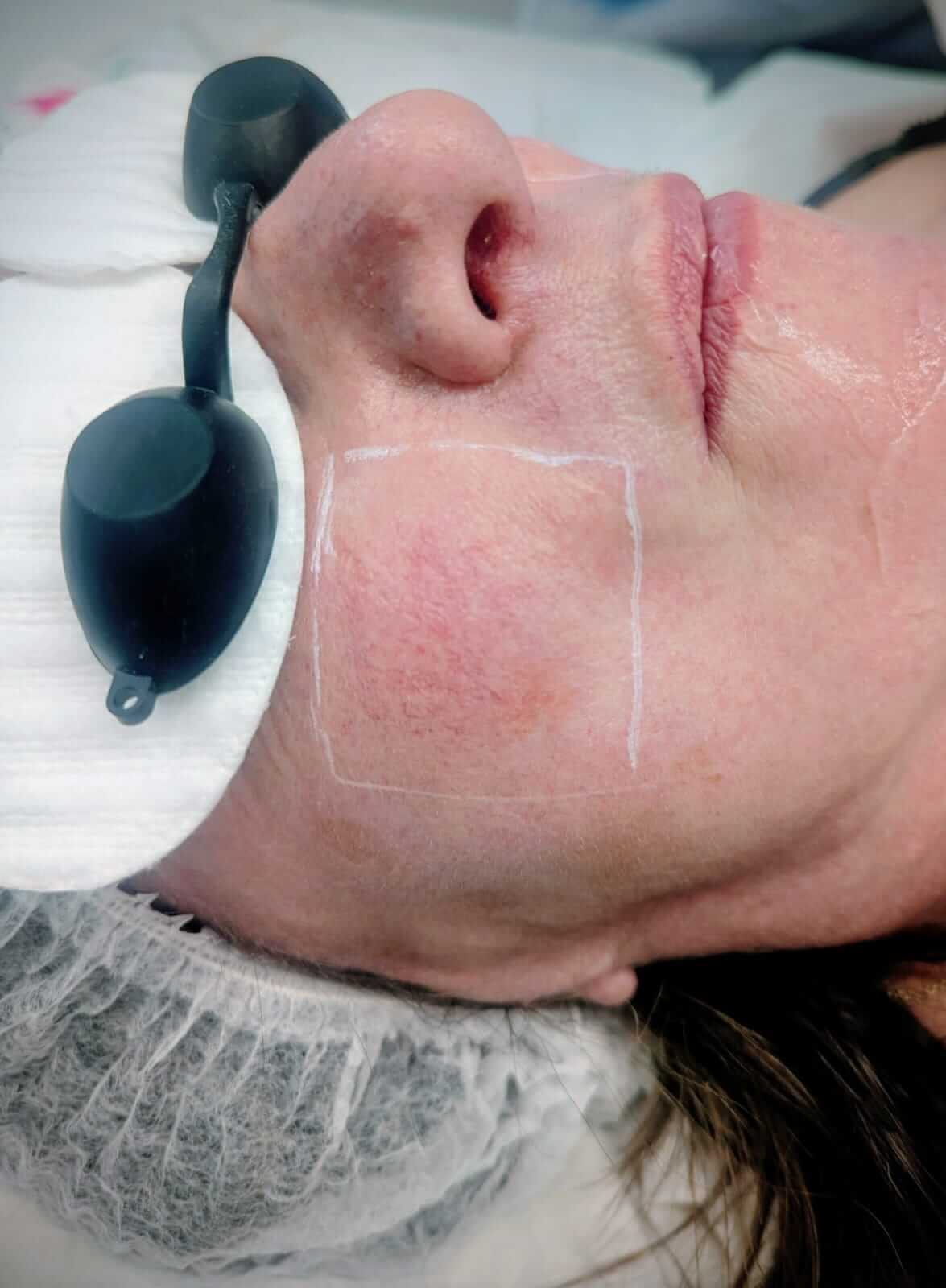
Fine lines, sun damage, pigmentation, uneven skin tone, rosacea, and texture issues.
Mild redness may appear for a few hours to one day afterwards, but most clients resume normal activities straight away.
A course of 3 to 6 treatments is usually recommended to achieve the best results.
Yes – but once any redness settles, usually within 24 hours.
Dermaplane Facial
People with active acne, skin infections, sunburn, cold sore outbreaks, or open wounds. Anyone who has taken isotretinoin (Accutane) within the last six months should also avoid the procedure.
While dermaplaning is generally safe for acne-prone skin, avoid active acne breakouts and inflamed areas to prevent irritation.
- Eczema, rosacea, or psoriasis
- Extremely sensitive skin
- Moles, skin tags, or other growths
- Uncontrolled diabetes
- Bleeding disorders such as haemophilia
- Pregnancy.
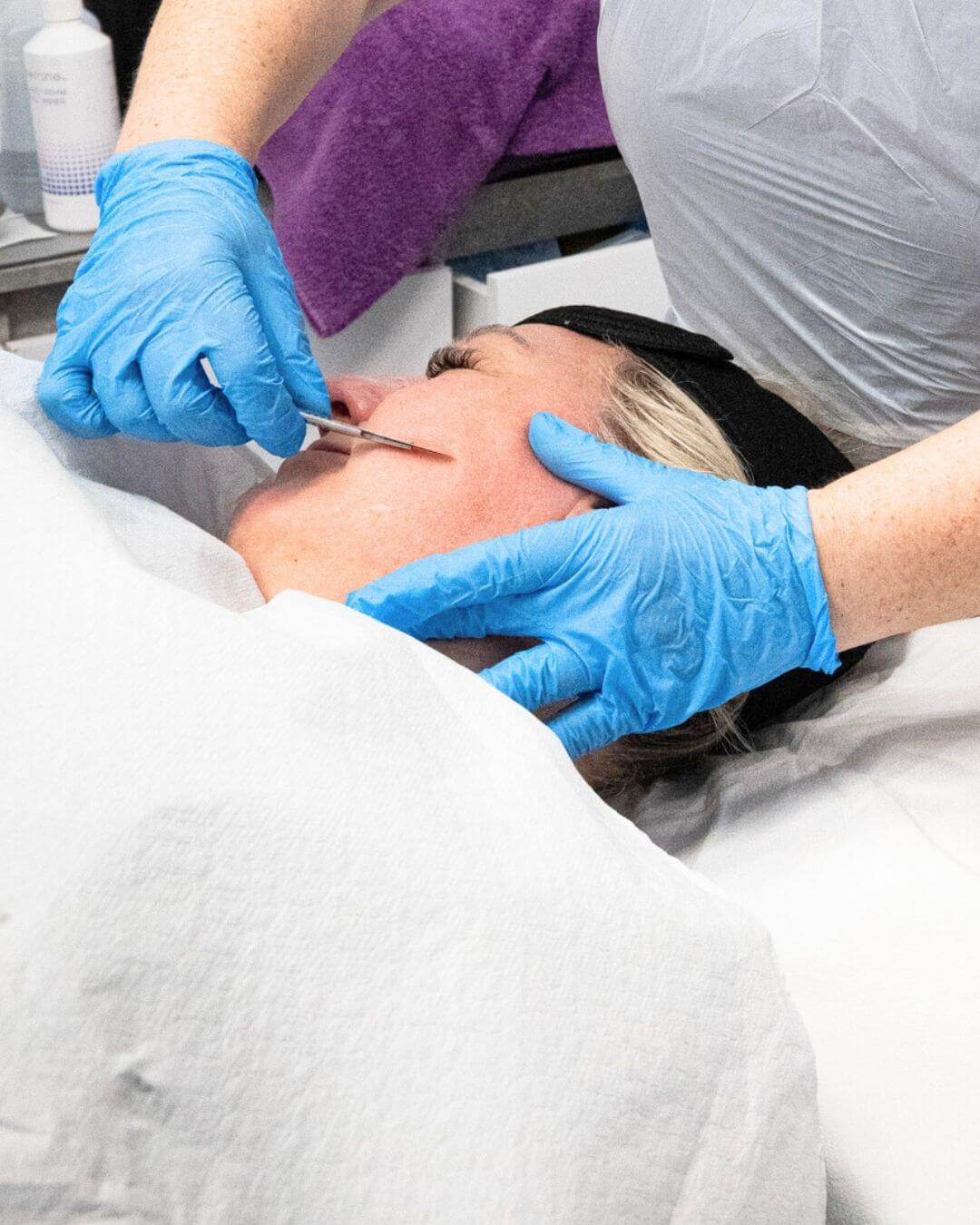
No – vellus hair will grow back at the same rate, with the same texture and colour as before.
Not at all – most clients find the whole process very relaxing.
Every 2 to 4 weeks is ideal to maintain results, depending on skin sensitivity. Doing it too often can irritate your skin, so adjust the frequency to suit your body.
Skin may look slightly pink for a few hours, but no real downtime.
Microneedling
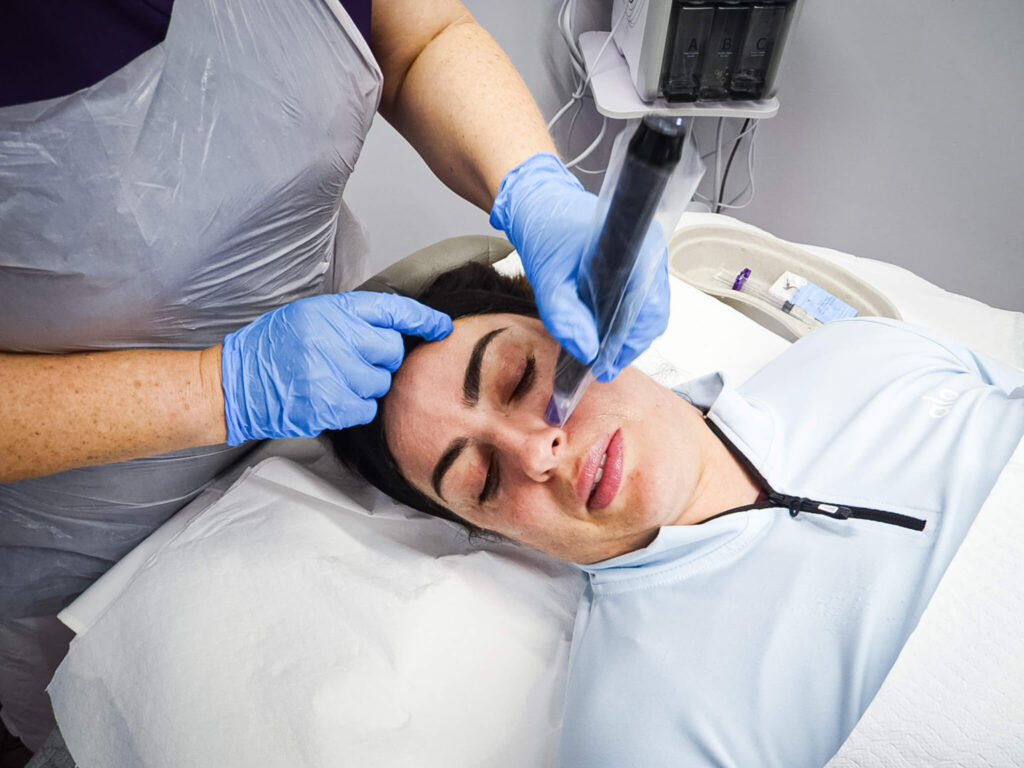
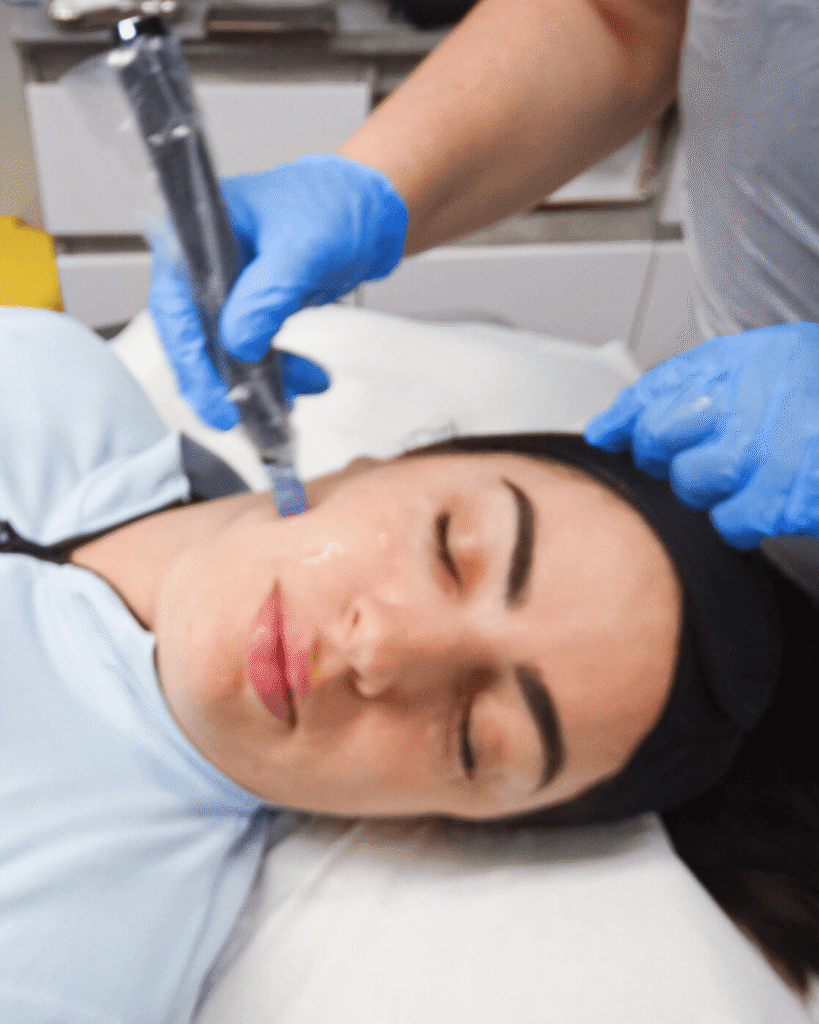
Skin rejuvenation, fine lines, scars, stretch marks, enlarged pores, pigmentation and overall skin texture, encourages hair regrowth when used with specialist serums.
Mostly used on the face, it can also treat your legs, back, neck or other areas where you notice damaged or aging skin.
The process can be mildly uncomfortable, but needle depths are adjusted according to the area being treated, which adheres to treatment protocols and minimises discomfort.
You will need multiple treatments to achieve your desired results. Skin starts improving within a few weeks, with full results after a few months as collagen rebuilds and the skin rejuvenates.
Microneedling treatments are typically 3 to 8 weeks apart and it can take up to 6 months to see results. Going forward, annual procedures boost skin maintenance.
Expect mild redness for the first few days. Applying an ice pack can reduce skin irritation. Most people can wear makeup the day after the procedure, but avoid the sun until your skin heals. Use moisturiser on dry, flaking skin.
If you have any of the following, we recommend you talk to a medical professional before getting microneedling:
- Acne
- Blood disorders or use anticoagulants
- Cancer (undergoing chemotherapy or radiation therapy)
- Frequent skin rashes or cold sores
- Keloidal tendency (hard, raised scars)
- Moles, freckles, skin tags or other growths
- Eczema or psoriasis.
Microneedling is a safe procedure, but risks may include bruising, scarring and skin infection. No risk of skin discolouration, so microneedling is ideal for people with darker skin tones.
Skinboosters / Polynucleotides
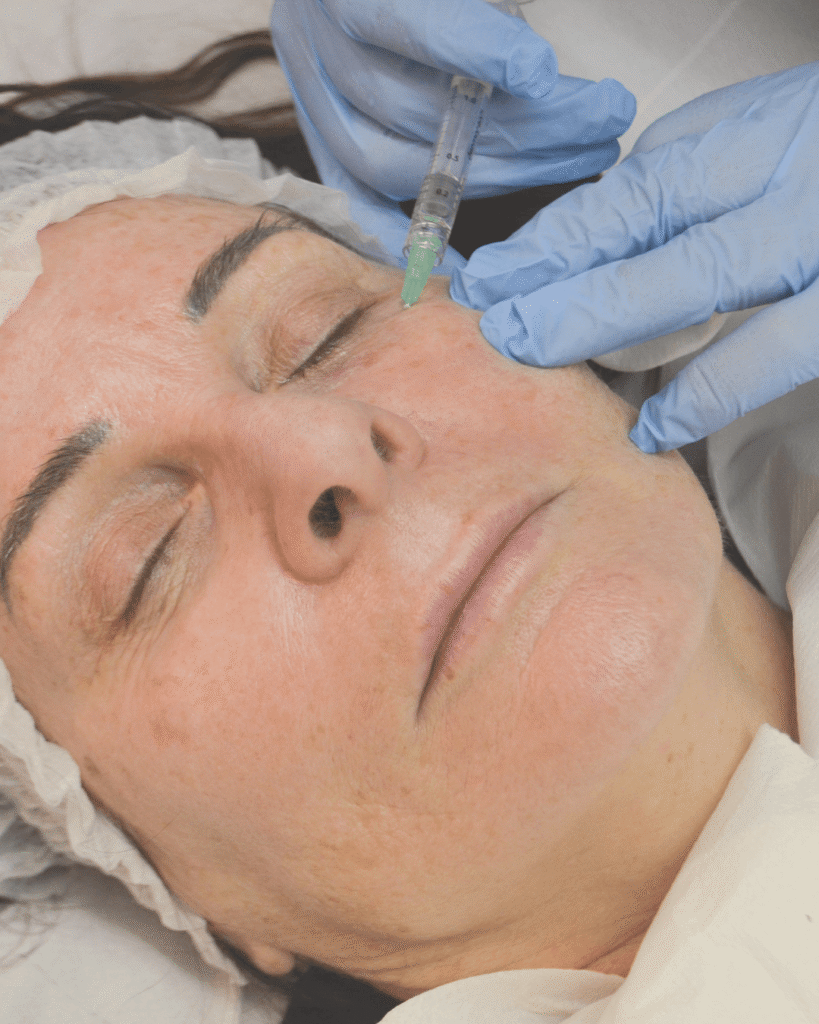
They deeply hydrate, improve skin elasticity and stimulate collagen production.
Hydration improves quickly, with full results developing over a few weeks.
Typically 6 to 12 months, depending on your skin and lifestyle.
Mild swelling or redness for 24 to 48 hours is common.
Cryotherapy Benign Lesion Removal
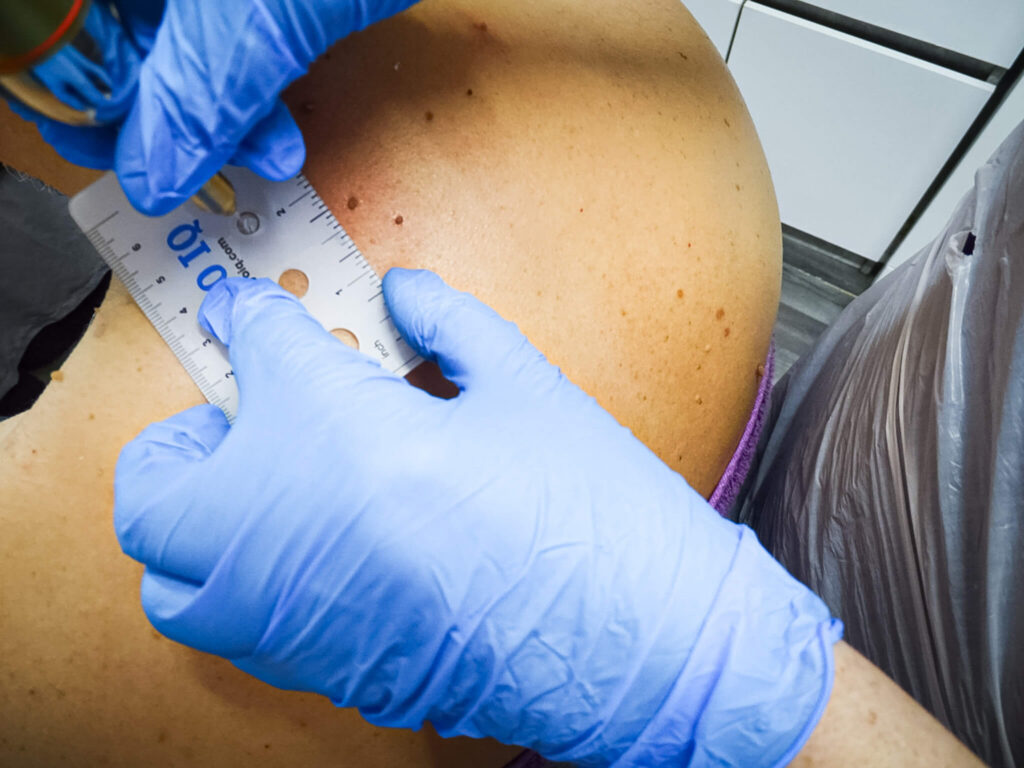
The process requires the controlled use of liquid nitrous oxide at minus-89degC, 725 psi, which freezes lesions. Freezing is delivered until the lesion cells die within the skin tissue. The fluid in the target cells forms shards of ice crystals that rupture, destroying the cellular structure.
Skin tags, age spots, sun spots, warts, non-malignant moles, cherry angiomas, milia, age spots, pigmentation, seborrheic keratoses, verucca, molluscum contagiosum, actinic keratoses and dermatofibroma.
Treatment feels like a pen is being pushed onto your skin. While you may feel a brief cold sting – most find it very tolerable.
Minimal to no scarring risk if aftercare is followed and the tissue may feel sensitive post-treatment. Please note, darker skin types are more prone to pigmentation loss in the treatment area.
Most lesions are removed in one or two sessions. However, darker skin types (with more melanin in their skin) may require more sessions.
Liquid nitrogen is no longer used for cryotherapy lesion removal. Liquid nitrogen is normally minus-196degC and this extreme temperature poses the risk of more tissue damage and scarring. Liquid nitrous oxide is safer and less invasive.
Cold Plasma Therapy
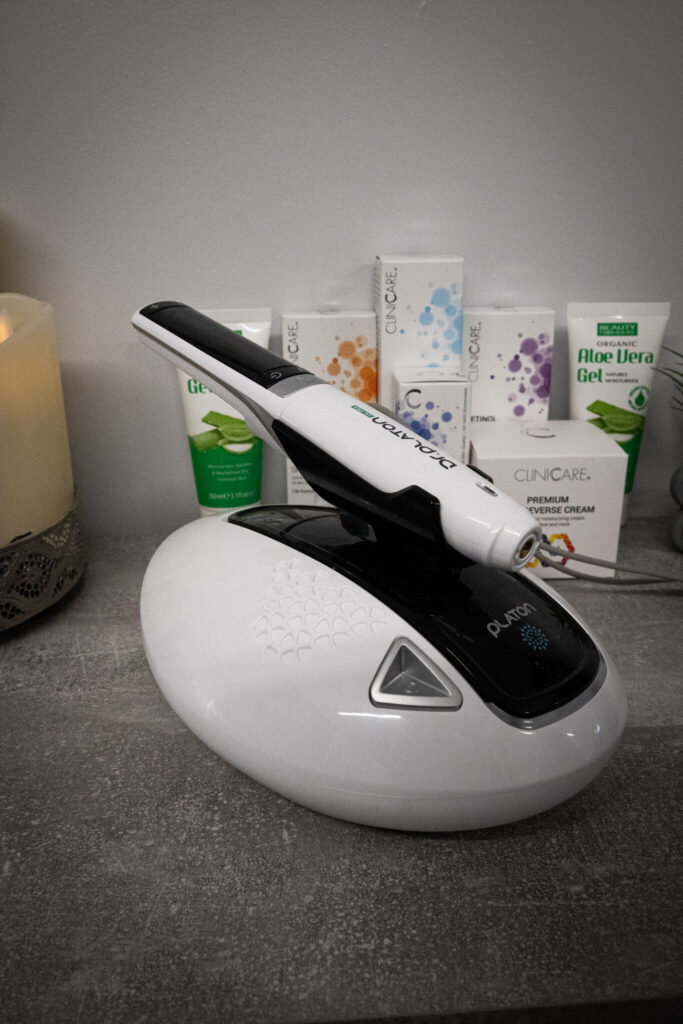
Improves general skin health, targets acne-causing bacteria and reduces inflammation and irritated skin. It also balances sebum production to prevent future breakouts, stimulates collagen production and skin elasticity and enhances absorption of skincare products by up to 24%.
Ideal for the following conditions:
- Acne (teen and adult)
- Seborrhoea
- Eczema
- Atopic dermatitis
- Rosacea
- Psoriasis
- Hyperpigmentation
- Fine lines and wrinkles
- Dehydrated or dull skin
Yes – it works without damaging the skin barrier. Safe for those aged 12 and over.
The process is generally comfortable – some clients feel a gentle warmth. The non-invasive treatment has no side effects, but some patients may experience slight redness, which usually subsides quickly.
Some improvements are visible after the first session, with ongoing benefits from a full course.
Yes, the process can enhance other skincare treatments by improving product absorption.
Electrolysis Hair Removal
Yes – when the full course is completed, treated hairs won’t grow back.
Yes – unlike laser, electrolysis works on all colours including white, grey, and red hair.
A brief, mild stinging sensation may be felt.
This depends on the area, hair density and growth cycle.
LED Light Therapy
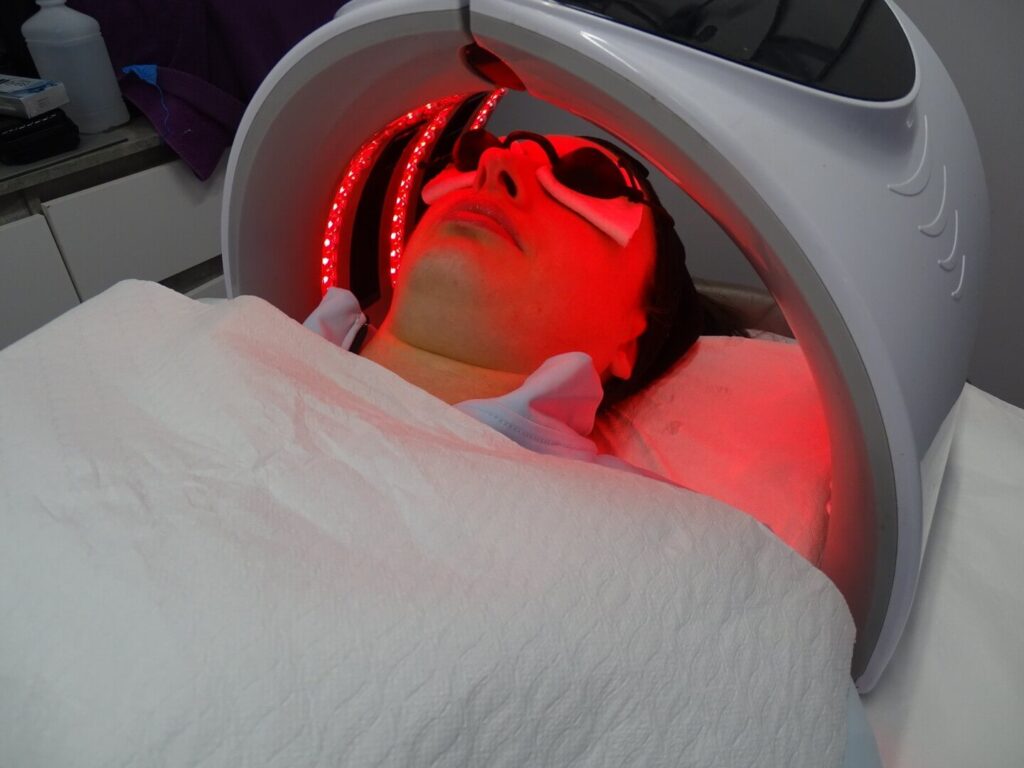
LED devices can include wands and masks. Masks expose the whole face, while wands target a specific area. No major preparation required, just cleanse the skin area before treatment.
- Smoother, younger skin: red light eases irritation and lessens discolouration while supporting collagen production.
- Removing blemishes: blue LED light does not penetrate as deeply as red light, mainly clarifying the surface of the skin.
- Non-invasive: provides a visible facelift without surgery.
- Minimal aftercare: wear makeup immediately and continue your skincare routine.
The 10-minute treatment uses clinical-grade technology for fast, flawless results.
Nd:YAG Tattoo Removal
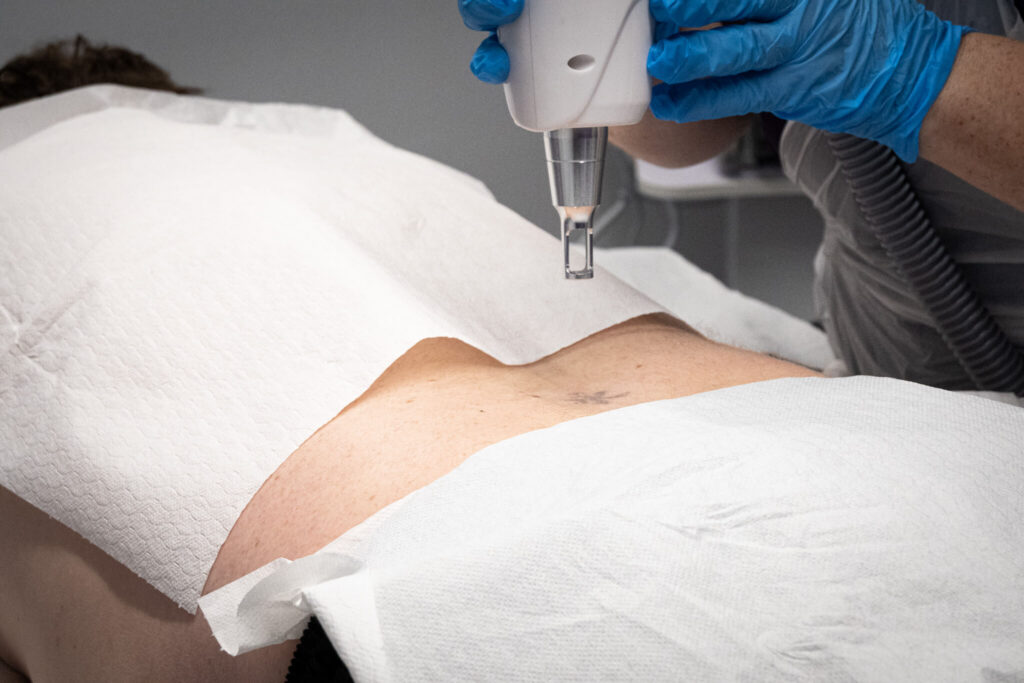
Efficacy and results are influenced by tattoo and skin type, as well as an individual’s response to the treatment. Nd:YAG lasers are known for their versatility and reliability, delivering consistent results across a wide range of tattoo colours and skin tones.
Multiple sessions may be required to achieve the desired results, particularly for larger, heavily pigmented tattoos.
IPL/Laser Skin Rejuvenation
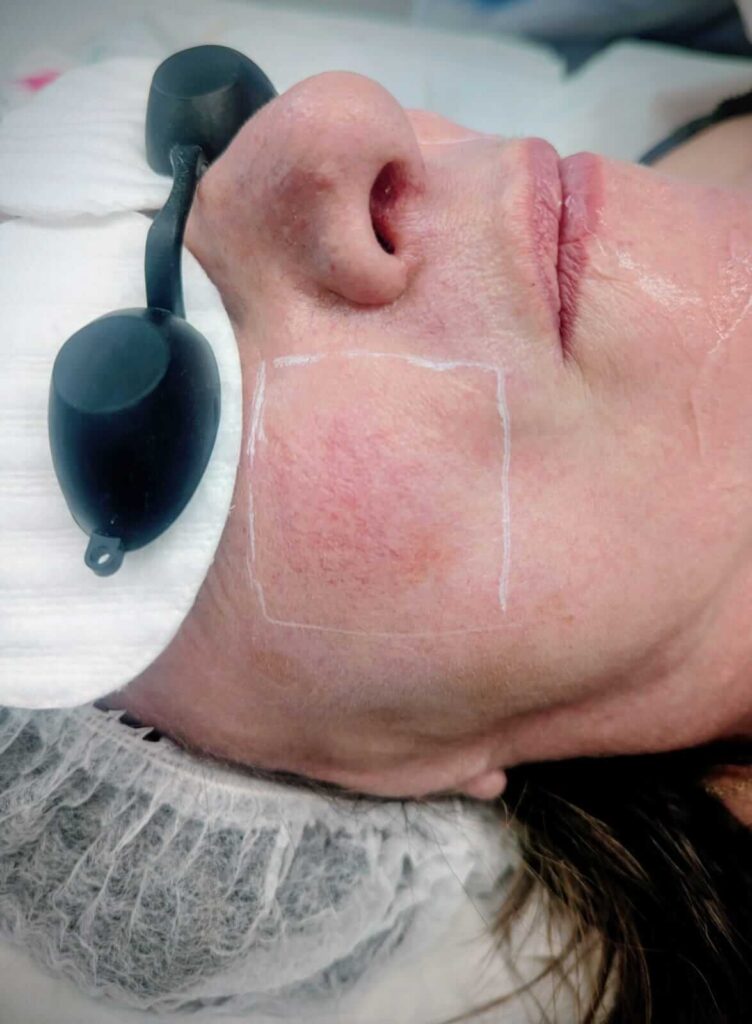
IPL uses a laser to target melanin just below the skin’s surface, stimulating the skin’s natural defences. Damaged melanin is removed while repairing collagen is released. These combined actions greatly improve the appearance and texture of the skin.
IPL uses broad-spectrum light to target the visible blood vessels and redness, reducing inflammation and flushing, while improving skin tone. Most people see significant improvements in facial redness after several treatments.
Typically treatments are arranged 3-4 weeks apart, with 3-6 treatments require for the best results. As rosacea is a persistent skin condition, top-up laser therapy is need to maintain results.
The treatment usually lasts around 45 minutes.
Most people experience a mild sensation, but not enough to require anaesthetic cream.
Signs of improvement can be seen after your first treatment, but a course of 6 sessions is recommended for optimum results.